Louisiana-Based Chef Dana Honn Makes the Case for Domestic Seafood
By Chef Dana Honn, Louisiana
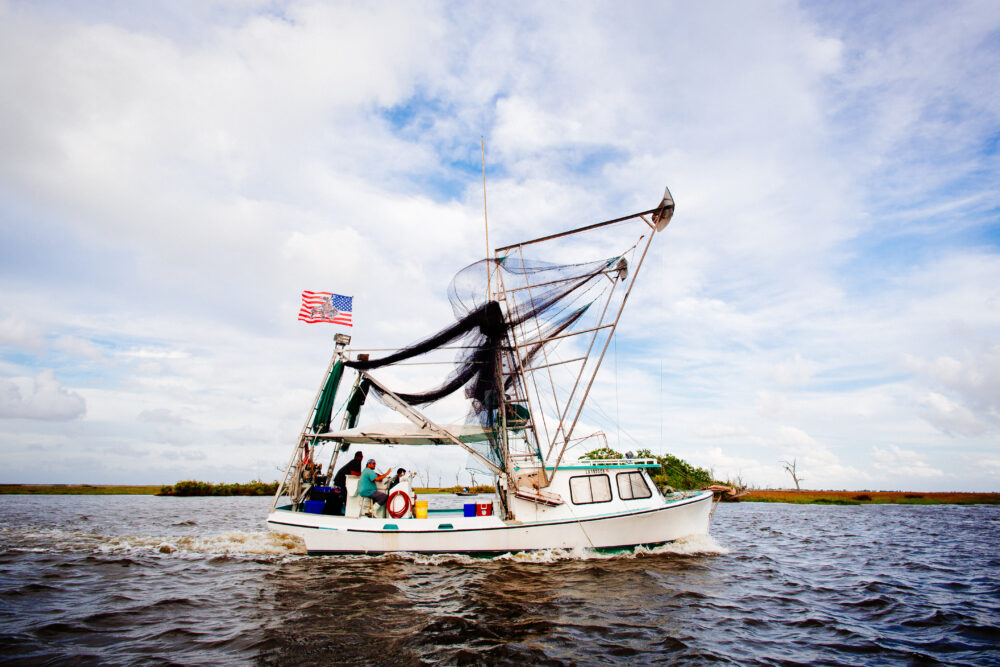
Over the past fifteen years, I’ve had the great fortune to work directly with a handful of local fisherfolk — shrimpers, fin-fish harvesters, oyster farmers, and seafood producers along the Gulf Coast. As a chef and restaurant owner in New Orleans, I’ve had a front-row seat to both the remarkable abundance of our local fisheries — among the greatest on Earth — and the individuals, families, and working waterfront communities whose livelihoods depend on them, and who connect the rest of us to these shared natural resources.
What I’ve also witnessed is an ongoing assault on those same fisherfolk. Many have survived not because the system works, but through sheer determination and will. Perhaps that is what we mean by “salt of the Earth.”
When we talk about “resilience” in the face of “adversity,” we imply that a situation — however severe — can be endured by those accustomed to hardship. I know more than a few seafood producers who bristle at that word. Not because they lack resilience, but because the concept subtly shifts responsibility for fixing what is broken onto the very people most harmed by it.
Framed this way, resilience becomes an expectation rather than a shared obligation.
To say that our domestic fishers could use help is an understatement. Where is meaningful support from policymakers who should know better? From restaurants and chefs who rely on these fisheries? From a processing and distribution system that too often undercuts and undervalues domestic harvesters? And from a public that is sometimes misinformed, sometimes indifferent, and often disconnected from the true cost of cheap seafood?
Our working waterfronts should be busy — fishers supporting their families, feeding us healthy, delicious food from nearby waters, and preserving centuries of knowledge, culture, and tradition. Maritime communities are culture bearers. They enrich all of us, no matter how far inland we live.
Photo from namanet.org
This post is not meant to catalog every challenge facing domestic fisherfolk. Those issues are many, complex, and well documented. Instead, I want to make one thing clear for readers who may not yet realize it: our fishing communities are in a dire position, and time is no longer a luxury.
As I’ve noted, there are myriad issues facing our domestic fishers, but perhaps the most consequential is this: more than 90% of the seafood consumed in the United States is imported. Much of it is produced through practices that would be unacceptable here — harvested illegally, farmed in toxic conditions, processed using exploited or forced labor, and tied to widespread ecological damage.
The irony is profound and tragic. By consuming cheap, imported farmed shrimp, we are actively undermining our own generational fishing communities while fueling the destruction of coastal ecosystems elsewhere. In many cases, these shrimp farms now occupy land that was once mangrove forest — among the most productive ecosystems on Earth — places that previously supported sustainable, subsistence fishing communities.
In effect, we are eating the loss of both ecological resilience and cultural continuity, at home and abroad. And the thing is, things aren’t getting better, they’re getting worse.
That sense of urgency — along with reports from our local shrimpers — alerted me that while things had been declining for some time, we had reached a tipping point in our local shrimping industry. For the past few seasons, many boats have remained at the docks instead of shrimping, and not because of a lack of shrimp.
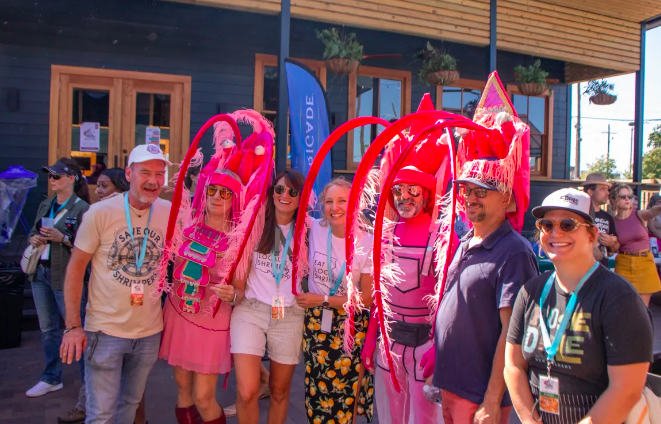
In response, and in partnership with local shrimpers and nonprofit organizations, I co-founded, alongside my colleagues Margaret Crosby and Emma Reid, the Louisiana Shrimp Festival and Shrimp Aid, now in our third year. What began as a regional effort has since revealed a broader need — one that must reach beyond our coastal communities, where we sometimes find ourselves preaching to the choir, and into inland states and cities. Places where people consume seafood every day, often without the benefit of the local connections that those closer to the resource may take for granted.
As a chef, I feel strongly about featuring wild domestic seafood on our menus for several reasons. Foremost amongst them is the connection to our coastal communities. Access to superior quality, flavorful, and safer ingredients is also a direct result of our relationships with our fisherfolk. Without them, my job isn’t really worth doing.
So, if we want a viable domestic fishing and shrimping industry ten years from now, action must happen now. I am eager to share specifics, to listen, and to help shape solutions. But delay is no longer neutral. It is a choice — and one we can no longer afford.
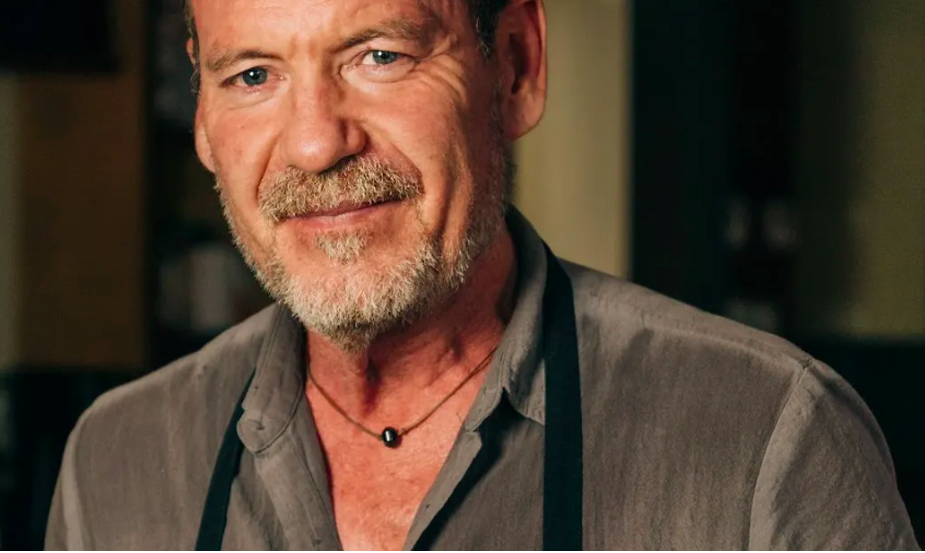
Dana Honn is a New Orleans-based chef, author, educator, and consultant, originally hailing inland from Kansas. He is the founder of the Louisiana Shrimp Festival. As chef-owner of several New Orleans establishments, including Nikkei Izakaya and Tempero’s Kitchen, he blends global culinary traditions with their stories, emphasizing a commitment to producers who provide high-quality, local ingredients.
For over 20 years, Dana has been a vocal proponent of ocean conservation, coastal preservation, and the support of local farmers and fishers. His work bridges the worlds of food, environmental advocacy, and community engagement, reflecting a deep belief in the power of food to shape culture and drive positive change. Most recently, he has been focused on efforts to help Gulf shrimpers navigate the mounting challenges to their survival in an increasingly difficult industry.
